
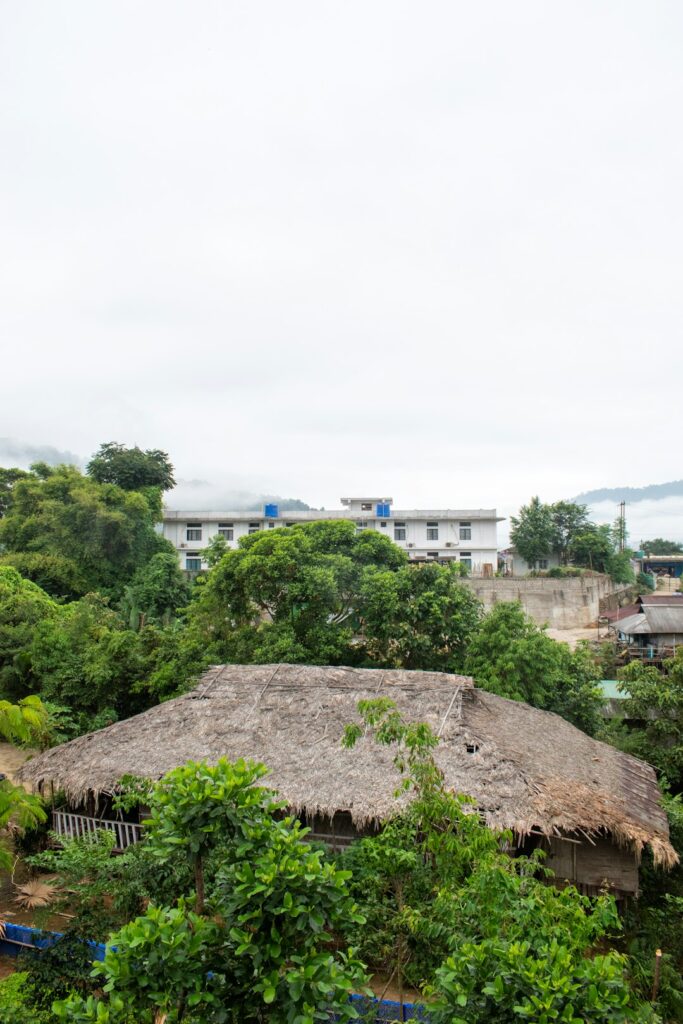
Shade trees can help a house stay cooler in summer, but their effect on a roof depends on distance, tree health, and maintenance. A tree that provides welcome relief from direct sun may also keep roofing materials damp, drop leaves into drainage areas, or allow branches to scrape the surface during wind and snow.
For homes in Malone, NY, where roofs experience freezing temperatures, repeated snow, spring moisture, and strong seasonal changes, the balance between shade and moisture deserves particular attention.
Do shade trees make a roof last longer?
Shade can reduce the amount of ultraviolet radiation and summer heat reaching roofing materials. That may slow some types of surface aging, especially on dark asphalt shingles that absorb substantial heat. Trees can also make attic spaces and upper floors more comfortable during hot weather.
However, shade alone does not guarantee a longer-lasting roof. A shaded roof may dry more slowly after rain, dew, or melting snow. If leaves, needles, or small twigs collect on the surface, they can hold moisture against the roofing material. Over time, repeated dampness may encourage algae, moss, surface deterioration, or decay in vulnerable roof components.
The practical answer is that moderate, open shade can be beneficial, while dense shade combined with debris and poor airflow can shorten roof life.
How does tree shade create moisture problems?
A roof needs to dry between wet periods. Dense branches above a roof can reduce sunlight and air movement, leaving sections damp for longer than exposed areas. This is most noticeable on roof slopes that already receive limited sunlight or have a shallow pitch.
Moisture problems become more likely when:
- Leaves form a thick layer on the shingles
- Evergreen needles collect in roof valleys
- Branches overhang the roof closely
- Gutters and downspouts become blocked
- Moss or algae begins growing in shaded areas
- Snow melts unevenly and refreezes along colder roof edges
In a cold climate, the concern is not simply whether a roof gets wet. It is how often it becomes wet and how long it remains damp. Water that repeatedly enters small gaps, freezes, expands, and melts can gradually stress shingles, flashing, and exposed sealants.
Can tree branches damage shingles?
Yes. Branches do not need to fall to cause damage. A limb that touches or nearly touches the roof may rub against shingles as it moves in the wind. This can wear away protective granules, scratch the surface, loosen tabs, or damage flashing near roof edges.
Winter adds another concern. Snow and ice can weigh down flexible branches, causing them to sag onto the roof. A branch that is clear of the roof during summer may contact it after a heavy snowfall or during an ice storm.
Dead limbs are especially hazardous because they are more likely to break during wind, snow loading, or rapid temperature changes. Large branches can damage shingles, vents, gutters, siding, and roof framing in a single event.
Why are roof valleys and gutters vulnerable?
Roof valleys carry water from two roof slopes into a concentrated drainage path. They also tend to collect leaves, needles, and small twigs that slide or wash downward from nearby trees.
When organic material builds up in a valley, water may flow around the debris instead of through the intended channel. In some cases, the material creates a damp mat that stays in place through several wet days. This can stain roofing, conceal damaged shingles, and increase the chance of water backing up beneath roof coverings.
Gutters are equally important. A gutter filled with leaves cannot carry water away efficiently. During freezing weather, trapped water can freeze and expand. During heavy rain, overflowing gutters can wet fascia boards, siding, foundation areas, and roof edges.
Tree shade is therefore connected to roof longevity partly through the drainage system. A roof may be in reasonable condition, yet repeated gutter overflow can create problems at its perimeter.
Does moss on a shaded roof mean the roof is failing?
Not necessarily. Moss is a sign that a surface is staying moist, but its presence does not automatically mean the roof needs replacement. It does indicate that the roof should be examined more closely.
Moss can lift or separate shingle edges as it grows. It may also trap additional moisture against the surface. Removing it aggressively with a pressure washer can cause more damage than the moss itself by stripping granules or breaking the shingle bond.
A safer approach is to identify why the area remains damp, remove loose debris carefully, and avoid walking on brittle or wet shingles. If moss is widespread, the roof is steep, or the surface is difficult to access safely, inspection may require specialized equipment and appropriate fall protection.
How far should trees be from a roof?

There is no single distance that works for every tree or house. Mature height, branch spread, wind exposure, tree species, roof pitch, and the condition of the tree all matter.
A useful goal is to keep limbs from touching the roof and to maintain enough clearance for branches to move without rubbing against shingles. Trees with broad crowns may need more separation than narrow-growing trees. Young trees also require planning because their branches can eventually extend much farther than they do when planted.
Roots are a separate consideration. A tree does not usually damage a sound roof through its roots, but roots can affect foundations, buried drainage lines, walkways, and other parts of the property. Planting decisions should account for the mature size of the tree rather than its current appearance.
What maintenance helps protect a roof beneath trees?
Routine observation is more valuable than waiting for a leak. In homes surrounded by mature trees, useful checks include:
- Look for branches resting on or rubbing against roofing
- Remove leaves and needles before they form thick, wet layers
- Check valleys, gutters, and downspout openings after major leaf fall
- Watch for missing granules, lifted shingles, exposed underlayment, or damaged flashing
- Inspect attic areas for damp insulation, staining, or daylight where it should not be visible
- Look for broken, dead, or heavily leaning limbs near the house
- Recheck the roof after ice storms, heavy snow, and strong wind
Roof cleaning should be gentle and appropriate for the roofing material. Metal roofing, asphalt shingles, wood roofing, and low-slope membranes have different cleaning and walking requirements. Abrasive tools, harsh chemicals, and pressure washing can reduce service life.
Tree trimming also has safety risks. Cutting large limbs near a roof, power line, or occupied structure can result in serious injury or property damage. Hazardous branches should not be handled casually.
Is removing a shade tree necessary?
Usually, no. A healthy tree that is well clear of the roof and does not cause persistent debris or drainage problems can remain an asset. Trees provide cooling, habitat, privacy, wind protection, and visual character.
Removal becomes a more serious consideration when a tree is declining, structurally unstable, repeatedly damaging the roof, blocking essential sunlight and airflow, or positioned where a failure could cause major damage. Even then, the decision should consider the tree’s condition and the specific risk rather than shade alone.
For most properties, the best strategy is not eliminating shade but managing the relationship between the canopy and the roof. Adequate clearance, clean drainage paths, timely attention to damaged limbs, and periodic roof observations help preserve both the tree and the building beneath it.
