
A roof rarely fails without warning. Small problems such as lifted shingles, blocked drainage, loose flashing, or damp attic insulation often develop gradually before they become visible inside the home. Preventive roof maintenance helps identify those issues while repairs are still limited, predictable, and less disruptive.
For households in Malone, NY, routine care is especially valuable because roofs must handle snow, ice, wind, rain, repeated freezing and thawing, and long periods of cold-weather exposure.
What does preventive roof maintenance include?
Preventive maintenance is the regular inspection and upkeep performed to reduce the chance of leaks, structural damage, and premature roof replacement. It is different from emergency repair, which addresses a problem after water has already entered or materials have already failed.
Typical maintenance includes:
- Looking for missing, cracked, curled, or loose shingles
- Checking flashing around chimneys, vents, skylights, and roof edges
- Clearing leaves, twigs, and other debris from roof valleys
- Keeping gutters and downspouts open
- Examining attic insulation, ventilation, and signs of moisture
- Watching for sagging roof sections or changes in rooflines
- Checking roof penetrations for deteriorated sealant
- Reviewing areas where ice, snow, or falling branches may have caused damage
Not every task requires climbing onto the roof. From the ground, residents can often spot missing shingles, sagging gutters, heavy moss growth, exposed underlayment, or water stains on exterior walls. Roof surfaces become slippery and unstable in wet, icy, or snowy conditions, so climbing should not be treated as a routine do-it-yourself activity.
Why is maintenance particularly useful in Malone?
The local climate places repeated stress on roofing materials. Winter snow can remain on a roof for extended periods, while changing temperatures create cycles of expansion, contraction, melting, and refreezing.
Those cycles can loosen fasteners, open small gaps around flashing, and worsen existing cracks. Snow and ice also add weight to the roof structure and can block gutters or downspouts, limiting the normal path for melting water.
Spring often reveals problems that were not obvious during winter. A shingle may have been damaged by wind, a gutter may have pulled away from the fascia, or an ice dam may have allowed moisture beneath the roofing material. Summer storms can then add heavy rain and wind exposure before the next cold season begins.
A maintenance schedule that follows the seasons is more useful than waiting for a visible ceiling stain.
How does maintenance reduce long-term costs?
Preventive care does not eliminate every roof expense, but it can reduce the size and urgency of many repairs. A small flashing gap may be corrected before water damages roof decking, insulation, drywall, or framing. A blocked downspout may be cleared before overflow stains siding or saturates the foundation area.
The financial value comes from controlling the progression of damage:
1. Minor defect: A lifted shingle or loose piece of flashing is identified.
2. Limited repair: The affected area is corrected before nearby materials deteriorate.
3. Reduced secondary damage: Moisture does not spread into insulation, sheathing, ceilings, or wall cavities.
4. Longer service life: The rest of the roof is not forced to compensate for one neglected area.
5. Better planning: Necessary work can be considered before an emergency develops.
Emergency roofing problems may also occur during the least convenient weather. Preventive maintenance gives homeowners more control over timing, budgeting, and household disruption.
Can maintenance extend the life of a roof?
Yes, maintenance can help a roof reach its expected service life, but it cannot reverse age or restore materials that have reached the end of their useful condition.
A roof lasts longer when water is directed away from vulnerable areas, damaged components are corrected promptly, and attic conditions do not create unnecessary heat or moisture stress. Gutters, flashing, ventilation, and roof coverings work as a system. Neglect in one area can shorten the life of another.
For example, shingles may remain relatively intact while deteriorated flashing allows repeated water entry. Similarly, a roof may appear sound from the ground while poor attic ventilation contributes to condensation, damp insulation, or premature deterioration of roofing materials.
Maintenance is most effective when it addresses the cause of a problem rather than only covering the visible symptom.
How do ice dams affect roof performance?
Ice dams form when snow melts on a warmer portion of the roof and refreezes near a colder eave. The resulting ice buildup can obstruct drainage and allow water to move beneath shingles or into the attic.
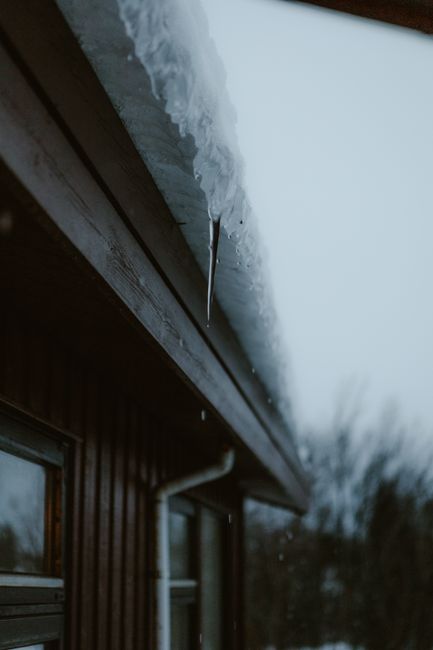
Large icicles do not automatically mean a roof is failing, but they can indicate uneven roof temperatures, heat loss, blocked drainage, or a combination of conditions. Attic air leaks and insufficient insulation can allow household heat to warm the underside of the roof. Inadequate ventilation may make temperature differences worse.
Useful preventive steps include:
- Sealing air leaks between the living space and attic
- Maintaining adequate attic insulation
- Keeping soffit and other designed ventilation paths clear
- Removing snow only through safe methods when accumulation becomes a concern
- Keeping gutters and downspouts free of obstructions
- Inspecting ceilings and attic areas after periods of ice buildup
Roof de-icing equipment should not be improvised with open flames, sharp tools, or unsafe electrical arrangements. Ice removal from a roof can damage shingles and create serious fall hazards.
What should homeowners check after winter?
A post-winter review should focus on changes caused by snow, ice, wind, and freezing temperatures. Look for:
- Shingles found in the yard or visibly missing from the roof
- Bent or detached metal flashing
- Gutters that sag, separate, or show new dents
- Water stains on attic insulation, rafters, ceilings, or upper walls
- Damp or compressed insulation
- Granules collecting in gutters or at downspout outlets
- Persistent icicle formation in the same roof areas
- Peeling paint or staining beneath roof edges
- Branch impact marks or punctures
A small stain does not always reveal the full location of a leak. Water can travel along roof decking, framing, or insulation before appearing indoors. That is why interior evidence should be considered alongside the roof surface and attic conditions.
How often should a roof be inspected?
Many homes benefit from a basic review in spring and another before winter. Additional checks may be sensible after severe wind, heavy snowfall, falling branches, or unusually large ice buildup.
Older roofs, roofs with complicated designs, and homes with previous leak history may need closer observation. The same applies to areas around chimneys, valleys, skylights, dormers, and roof sections over additions or garages, where drainage and temperature patterns can differ from the main roof.
A qualified inspection is justified when there is active leaking, visible sagging, suspected structural damage, unsafe access, or uncertainty about the roof’s condition. Safety takes priority over routine maintenance, particularly during snow, ice, high winds, or wet conditions.
What is the most overlooked part of roof maintenance?
The attic is often overlooked because roof problems are usually discussed from the exterior. Yet attic conditions can reveal early warning signs that are not visible from the ground.
Darkened wood, rusty fasteners, wet insulation, frost, musty odors, and peeling surfaces may indicate condensation or leakage. Bathroom and kitchen exhaust should discharge outdoors rather than into the attic, where warm moisture can condense on cold roof components.
Regular attention to the attic, drainage system, roof covering, and flashing provides a more complete picture than checking shingles alone. Over time, that whole-system approach can help protect the home’s structure, reduce avoidable repair costs, and make roof problems easier to manage before they become urgent.
