
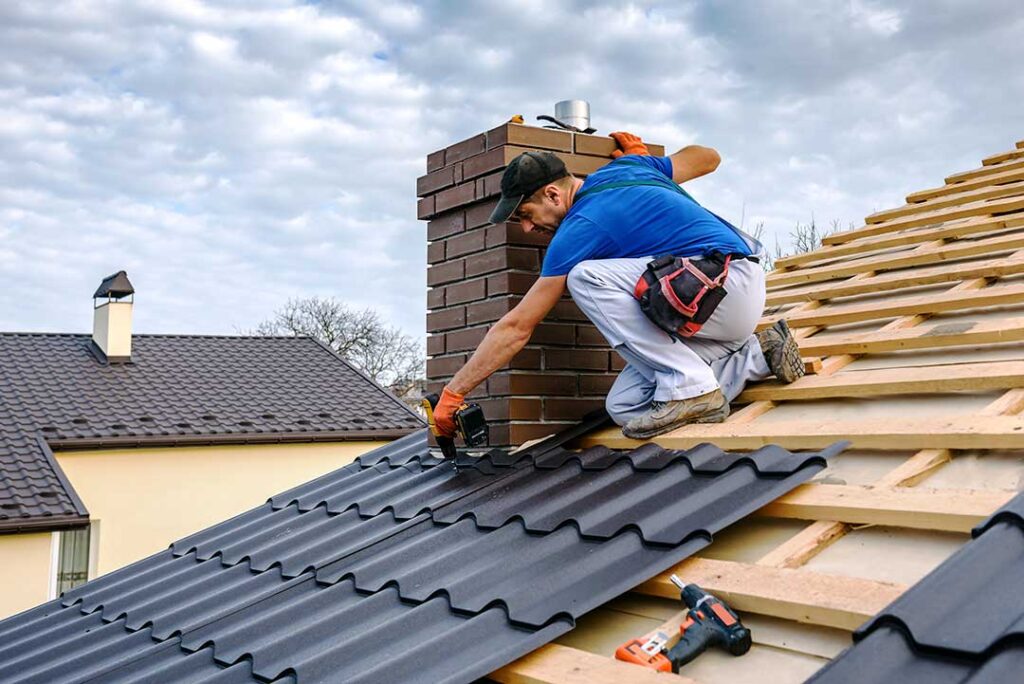
A roof leak is more than a wet spot on the ceiling. Water can move through insulation, wood framing, wall cavities, and electrical areas before the damage becomes obvious. In Malone, NY, seasonal snow, ice, wind, rain, and repeated freeze-thaw cycles can create conditions that allow a small roofing problem to become a structural concern.
How can a roof leak weaken a home’s structure?
A leak can weaken a home by keeping wood and other building materials damp for extended periods. Structural wood does not usually fail because of one brief exposure to water. The greater risk comes from repeated wetting, slow drying, and concealed moisture that remains inside the roof or walls.
Roof framing may be affected in several ways:
- Rafters and roof trusses can absorb moisture and begin to swell, soften, or decay.
- Roof decking can lose strength around the leak, particularly near fasteners and seams.
- Attic insulation can become compressed or saturated, reducing its ability to slow heat loss.
- Ceiling joists may remain damp even after the visible ceiling stain appears dry.
- Moisture can travel along framing members and damage areas far from the original entry point.
A ceiling stain does not always show the exact location of the roof defect. Water may enter higher on the roof and move downhill along the underside of the decking before dripping into the living space.
What happens to roof decking after repeated leaks?
Roof decking is the layer attached to the roof framing beneath the exterior roofing materials. It provides a base for the roof covering and helps distribute weight across rafters or trusses.
Repeated moisture can cause decking to swell, buckle, delaminate, or decay. Affected panels may feel soft, appear discolored, or show darkened edges around seams. In older homes, the decking may be made from boards rather than large structural panels, and individual boards can split or deteriorate around nails.
Weak decking may create several problems:
- Roofing materials may not lie flat.
- Fasteners may lose holding strength.
- The roof surface may sag between framing members.
- Workers may be exposed to fall hazards when walking on weakened areas.
- Snow and ice loads may place additional stress on compromised sections.
A small area of damage does not automatically mean the entire roof structure is unsafe. The severity depends on how long the leak has been active, how much material has become wet, and whether the moisture has reached framing connections.
Can a leak cause ceiling or wall collapse?
A roof leak can contribute to ceiling failure, although collapse is not the usual outcome of every leak. The risk increases when water accumulates above a ceiling, weakens drywall or plaster, saturates insulation, or affects the framing that supports the ceiling.
Warning signs include:
- A ceiling area that bulges or sags
- Cracks that are growing or spreading
- Peeling paint or separating plaster
- Doors that begin sticking near a leaking area
- A new dip or uneven section in the ceiling
- Repeated staining after rain or snowmelt
A bulging ceiling may contain trapped water. Standing directly beneath it or puncturing it without knowing where electrical wiring is located can be dangerous. If the ceiling is visibly sagging, the area should be kept clear until the condition can be evaluated safely.
Water can also enter wall cavities. This may soften drywall, damage wood studs, loosen trim, and create conditions where insulation loses its intended performance. Because wall moisture is often hidden, a wall may appear normal while materials inside are deteriorating.
How does winter weather increase roof-leak damage?
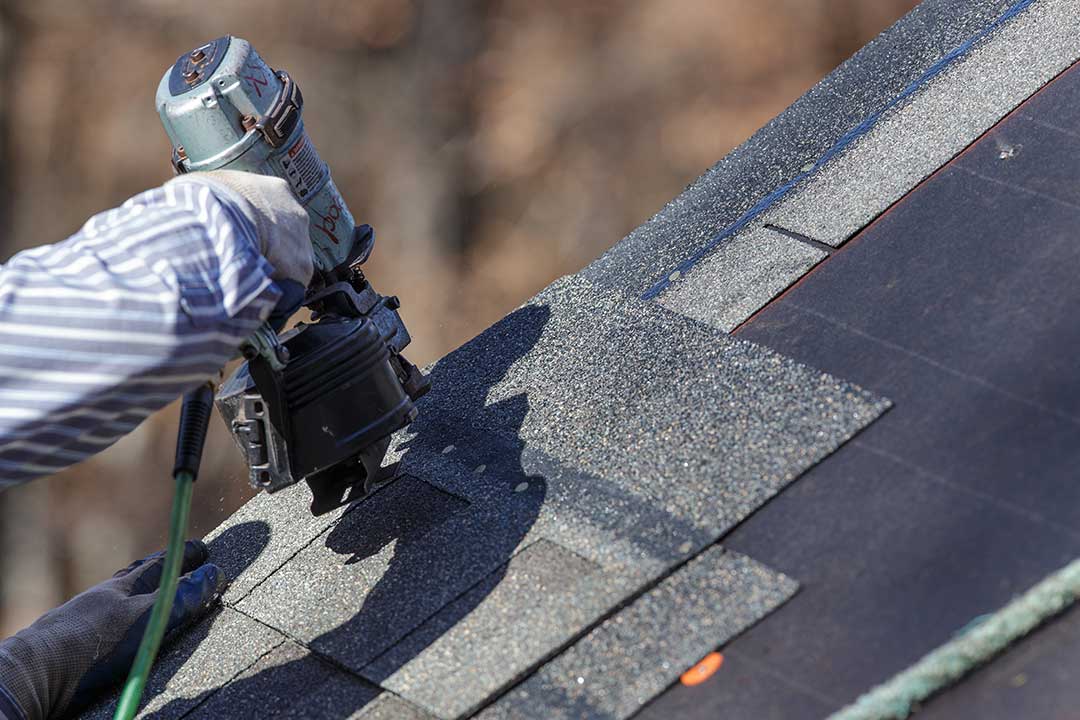
Cold-weather conditions can make both leaks and their consequences more complicated. Snow can cover the original entry point, while melting snow may refreeze at colder roof edges. Ice buildup can interfere with drainage and allow water to move beneath roofing materials.
Freeze-thaw cycles can enlarge small openings. Water enters a crack or gap, freezes, expands, and places pressure on nearby materials. After thawing, the opening may allow more water through. Repeated cycles can affect flashing, roof penetrations, valleys, and exposed edges.
Heavy snow also adds weight to the roof. A sound roof is designed to carry expected loads, but weakened decking or framing may have less reserve strength. Signs of possible structural stress can include unusual sagging, cracked interior finishes, doors or windows that suddenly bind, and loud popping or creaking during or after heavy weather.
These signs do not prove that a roof is about to fail, but they should not be dismissed when they appear alongside active leaks.
What hidden damage can develop in the attic?
The attic often shows the earliest evidence of a roof leak. Looking from a safe location, residents may notice darkened wood, damp insulation, water trails, rusted fasteners, or daylight entering through areas that should be sealed.
Moisture in the attic can also affect ventilation and indoor comfort. Wet insulation becomes less effective, allowing heat to escape more easily during winter. Warm indoor air may then meet cold roof surfaces, increasing condensation. This can make it difficult to determine whether moisture came from a roof leak, indoor humidity, or both.
Wood-decay fungi require moisture, oxygen, and a suitable food source. A persistently damp roof assembly can provide those conditions. Mold may also develop on dusty surfaces, insulation, sheathing, or framing. Not every dark mark is mold, and not every mold-like mark means structural damage, but persistent moisture should be investigated rather than covered.
Can a roof leak damage electrical and mechanical systems?
Yes. Water may travel toward light fixtures, wiring, electrical boxes, exhaust fans, and other equipment installed in ceilings or attic spaces. This creates a shock and fire risk, especially if water is actively dripping near electrical components.
If a light fixture, outlet, switch, or electrical panel area becomes wet, avoid touching it. If it can be done without entering a wet or hazardous area, power to the affected circuit may be turned off. Water near electrical systems should be treated as a safety issue, not just a roofing or drywall problem.
Plumbing vents, chimneys, skylights, attic fans, and heating or cooling equipment can also create roof openings. Their flashing and seals deserve attention because a leak may appear to come from the field of the roof even when the actual problem is around a penetration.
What should residents do after discovering a leak?
First, protect people and belongings. Move furniture away from dripping water, place a container beneath active leaks, and avoid walking on visibly damaged ceilings or roof surfaces. Photographs can help document the location, size, and progression of stains.
Next, observe the conditions without taking unnecessary risks. Note whether the leak occurs during rain, after snowmelt, during strong wind, or only when ice is present. Check accessible attic areas for wet insulation, stained wood, or water trails, but do not climb onto a roof during wet, icy, or snowy conditions.
Temporary measures may limit additional interior damage, but they do not restore weakened decking or framing. Materials that remain damp need time and airflow to dry, and concealed areas may require closer evaluation if staining, odor, sagging, or repeated leakage continues.
A roof leak becomes a structural concern when moisture is recurring, the roof surface is sagging, decking feels soft, framing is visibly deteriorated, or interior ceilings and walls are changing shape. In those situations, safety and accurate assessment should come before cosmetic repairs such as repainting or replacing stained drywall.
How can homeowners recognize that a leak is getting worse?
A worsening leak often produces changes rather than one dramatic event. Watch for stains that expand, new damp areas, musty odors, soft ceiling spots, recurring drips, or visible sagging. Rising indoor humidity, peeling finishes, and repeated attic condensation may also indicate that moisture is not being resolved.
The most useful question is not only, “Where is the water showing?” but also, “How long has the building material been wet?” Early attention can help distinguish a limited repair from broader damage involving insulation, decking, framing, or interior finishes.
