
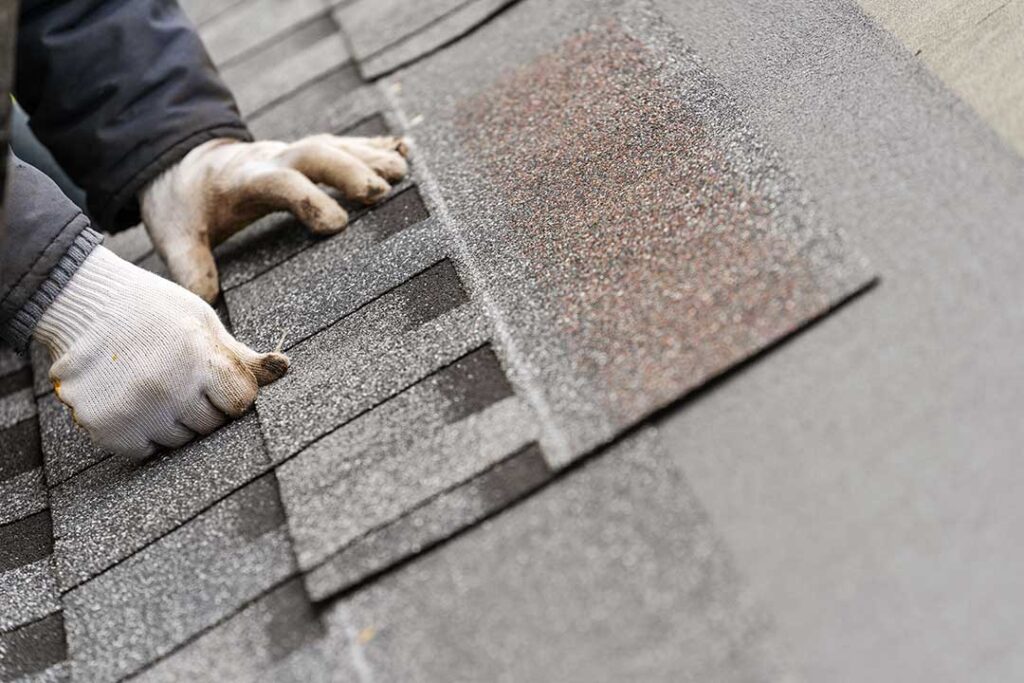
What Is a Roof Cricket?
A roof cricket is a small, peaked structure installed on a roof, typically behind chimneys or other large roof penetrations, to divert water around the obstruction. Sometimes called a saddle, a cricket directs water flow toward the main drainage paths, helping to prevent pooling and leaks.
On most homes in Malone, NY, crickets are noticeable as small, raised portions of the roof behind chimneys or at points where two slopes meet. A properly built cricket creates a gentle slope, ensuring that rain, melting snow, and ice don’t collect in valleys where leaks are more likely to develop.
Why Do Roofs in Malone, NY Need Crickets?
The climate in Malone is characterized by heavy snow, ice loads, and frequent freeze-thaw cycles through late fall, winter, and spring. Chimneys and large roof transitions are especially prone to water and ice accumulation, which can lead to leaks or ice dams if left unchecked.
Here’s why crickets are a common necessity in local home construction:
- Snow and Ice Management: Crickets help snow and ice slide off more efficiently, reducing the risk of ice dams.
- Preventing Water Pooling: By directing water away from seams and flat spots, crickets lower the chances of water sitting and seeping into the roofing materials.
- Protecting Critical Areas: Chimneys penetrate the roof, creating natural weak spots. Without a cricket, water can pool where the chimney meets the roofline.
Where Are Roof Crickets Typically Installed?
Crickets are not required everywhere on a roof. Their placement depends on roof shape, slope, and the presence of large penetrations or transitions.
Most commonly, crickets are installed:
- Directly behind chimneys wider than about 30 inches (a general standard for effectiveness).
- At the intersection of two roof slopes where a valley naturally channels water toward a wall or raised object.
- In spots where the roof’s pitch is low or prone to standing water for extended periods.
In older homes in Malone, chimneys were sometimes built without accompanying crickets. Modern building codes and roofing practices in the community now typically call for them, especially given the local winter weather.
How Does a Cricket Work?
A cricket works by creating an angled surface that splits and redirects the flow of water away from the back side of a roof obstruction. Water hits the raised peak of the cricket and is sent to either side, rather than accumulating at the base.
In snowy climates, this helps prevent ice from forming dams behind chimneys, which can otherwise back up under shingles and into the home. For rain, the cricket ensures all water can move unimpeded toward gutters and eaves.
The slope and materials of the cricket generally match the main roof, although crickets may be covered with metal flashing, especially on steeper roofs or where extra ice protection is needed.
What Problems Happen Without a Cricket?
For Malone residents, not having a cricket can result in several costly and frustrating roofing issues:
- Leaks at Chimney Base: Water naturally runs toward the back side of chimneys. Without diversion, it finds any tiny gap in flashing or masonry.
- Deterioration of Materials: Constant moisture around the base of a chimney can rot wood, degrade mortar, and corrode metal flashing.
- Ice Dams and Interior Damage: Snow and ice will linger longer behind penetrations. When temperatures rise, melted water can seep under shingles and cause ceiling stains or even structural rot.
- Extra Maintenance: Homeowners without crickets often find themselves performing repeated caulking or patching around chimneys, as water exposure accelerates wear.
While homeowners may not immediately notice the missing cricket, unchecked water issues can mean larger repairs over time.
Do All Roofs in Malone Need a Cricket?
Not every roof or chimney requires a cricket. The need depends on:
- Chimney width: Narrow chimney stacks often shed water easily; wider ones create a larger trap for water and snow.
- Roof pitch: Steep roofs shed water and snow quickly, while low-slope or flat areas need more help with drainage.
- Local exposure: Homes with wind-driven snow or persistent drift patterns may have increased need against water buildup.
A common misconception is that crickets are only for older homes or chimneys. In reality, many modern houses and even additions may need them, especially given the local snow conditions.
What Should Area Residents Know About Cricket Installation and Maintenance?
Crickets should be built to match the slope of the adjoining roof. In Malone’s climate, using ice- and water-resistant membranes under the roofing material is a practical step for long-term protection.
Key points for residents:
- Routine roof inspections can help spot missing or damaged crickets, especially after a harsh winter.
- Pay attention to signs of water staining, peeling paint, or dampness near chimneys inside the attic.
- When replacing a roof or making chimney repairs, ask whether a cricket is needed based on the size and position of your chimney or other roof features.
- Metal flashing on crickets often outlasts shingle coverings, especially where ice and snow pile up seasonally.
By understanding where crickets belong and the problems they address, local households can make informed decisions to prevent roof leaks and costly damage.
