
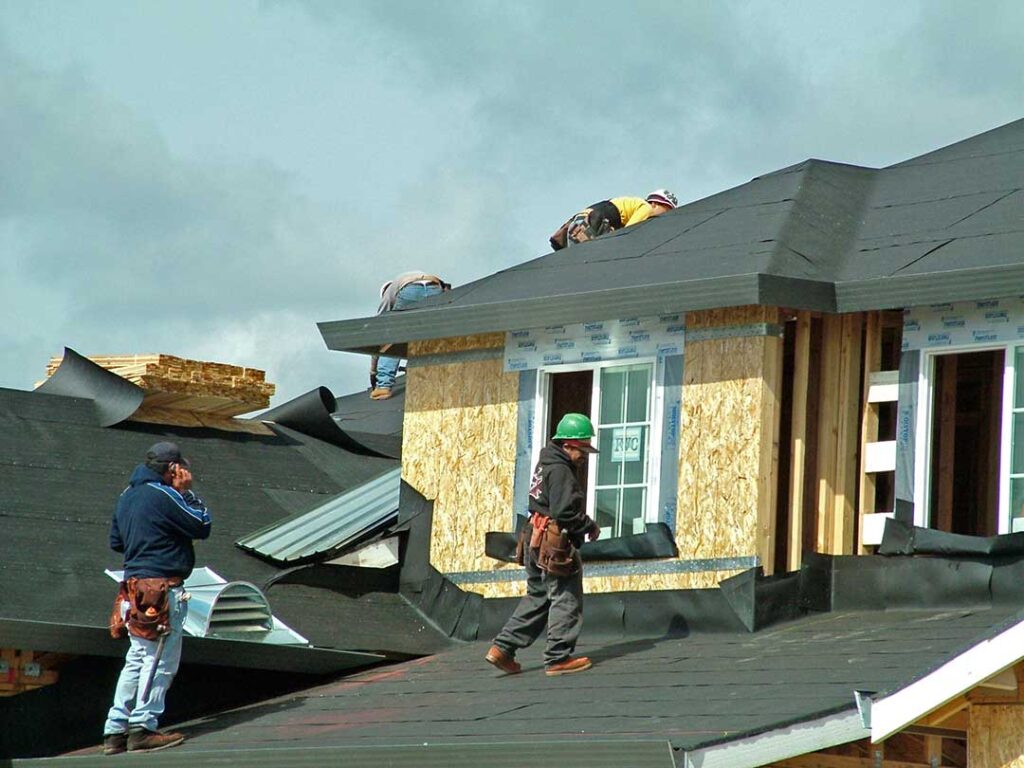
What Are Roof Valleys and Why Do They Matter in Malone, NY?
Roof valleys are the lines where two roof slopes meet, channeling rainwater and snowmelt down to the gutters. In Malone, NY, with frequent snowfall and freeze-thaw cycles, valleys are one of the most critical—and often most vulnerable—parts of a roof.
If valleys fail, leaks can appear rapidly, and hidden water damage is common. Understanding what to look for allows homeowners to spot issues early, before repairs become costly or structural damage sets in.
How Can You Tell If a Roof Valley Is Failing?
The most telling clues are visual changes, water stains, and clues inside the attic or at ceiling level. Areas near the valley should shed water smoothly and remain free of debris buildup, but problems often show up subtly at first.
Key indicators include:
- Discoloration, dark streaks, or moss growth along the valley lines outside
- Missing, cracked, or curling shingles in the valley
- Exposed underlayment or visible metal flashing that appears rusted, bent, or detached
- Water stains or soft spots on ceilings or walls beneath a valley inside the house
- Damp insulation or wood rot observed from the attic
Why Are Valleys Prone to Problems Locally?
Extended winters and the way roofs are built for snow loads in the city mean valleys get a lot of stress. Heavy snow can linger in these channels, especially where shading slows melting. Each freeze-thaw cycle pushes water into small openings, sometimes prying apart even well-installed shingles or flashing.
Common regional risk factors include:
- Ice dam formation that traps water in valleys
- Wind-driven rain getting forced under the edge of valley shingles
- Long-held snow or wet leaves creating persistent dampness
What Does Damage Look Like From the Outside?
From a safe spot on the ground, visible trouble in valleys often shows as:
- Sagging or wavy shingle lines following the valley
- Granule loss on shingles, which leaves them looking bare or patchy
- Rust or lifting edges of the valley flashing strip (the metal running under or down the center of the valley)
- Moss or lichen, often a sign of frequent moisture and slow-drying conditions
Homeowners sometimes overlook surface changes, assuming they are just cosmetic. In the city’s climate, even small visual changes can indicate water is starting to penetrate beneath the surface—something that escalates quickly when the next big thaw or storm arrives.
Can Leaks Inside Point to Valley Issues?
Ceiling stains or peeling paint near where two roof slopes meet (often along upstairs hallways or over main living areas) can mean the valley above is compromised. These leaks rarely start with a dramatic drip; they usually show as slow spreading patches or faint yellowish marks.
In unfinished attics, look for:
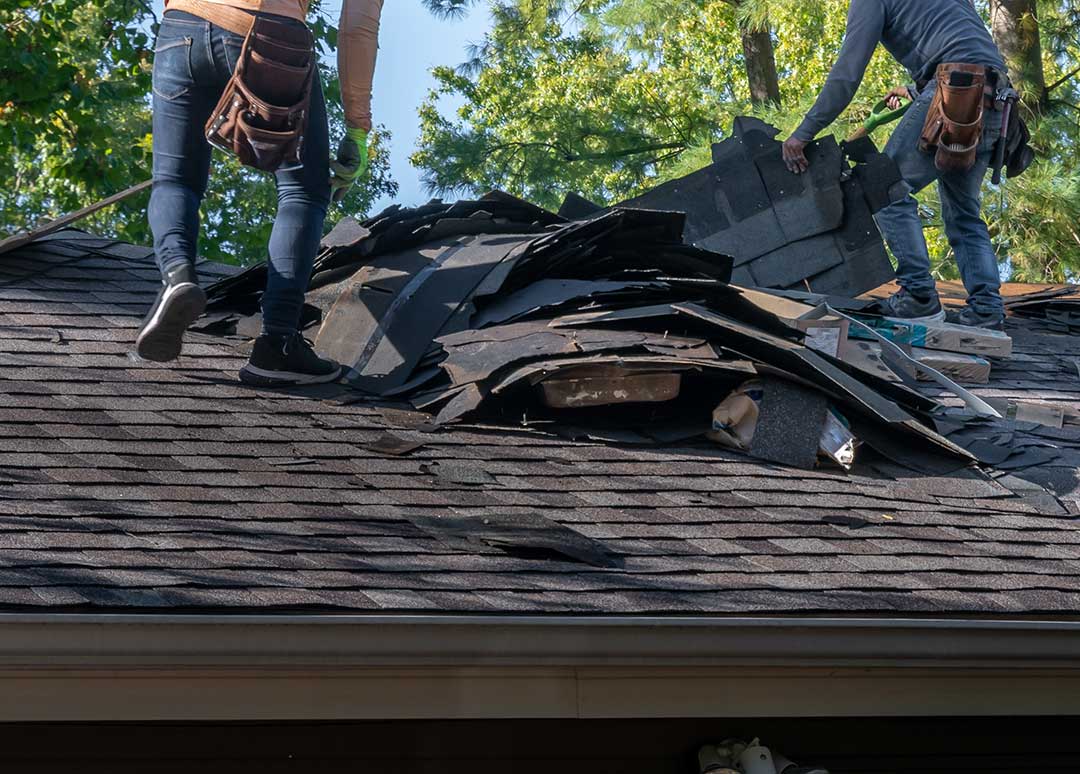
- Water streaks on rafters beneath the valley
- Soft, discolored wood or damp insulation near the valley line
- Mold growth along the valley underside
It’s easy to misdiagnose these as unrelated plumbing leaks, but in homes with a conventional sloped roof, they often trace back to valley trouble above.
Are There Misconceptions About Roof Valley Problems?
Many assume that if the rest of the roof looks good, valleys will too. In reality, valleys age faster than adjacent roof areas because of extra water flow, friction, and ice strain.
Another misconception is that valleys rarely need maintenance. Leaves, twigs, and pine needles collect in valleys during autumn, keeping moisture trapped and accelerating decay.
Some also believe minor moss or plant growth is harmless. In fact, persistent greenery is almost always a symptom of regular wetness and can hide shingle damage beneath.
How Does Proper Upkeep Reduce Risk?
Simple autumn cleaning and careful snow removal protect roof valleys significantly. Removing leaves before snow sets in prevents long-term moisture exposure. After snowstorms, gently pushing heavy drifts out of valleys with a roof rake reduces the load and limits ice dam formation.
Steps homeowners often take locally:
- Clear valley channels in the fall using a soft broom or gloved hands—no sharp tools that might scrape shingles
- Watch out for ice dams forming in valleys and carefully rake snow if it builds up more than a foot deep
- Inspect valleys each spring for any new discoloration, lifted shingle edges, or exposed flashing after snowmelt
When Might Further Inspection Be Needed?
If you see ongoing leaks, widespread wood rot, or sections of the valley that sag or appear deeply worn, it goes beyond simple upkeep. While some surface debris and mild discoloration can be managed with routine cleaning, repeated water entry or structural failure in valleys may need more involved attention.
Area residents with older roofs—especially ones past 20 years, or those with known ice dam issues—should be particularly vigilant, since valleys are often one of the first spots to fail as roofing systems age in this climate.
