
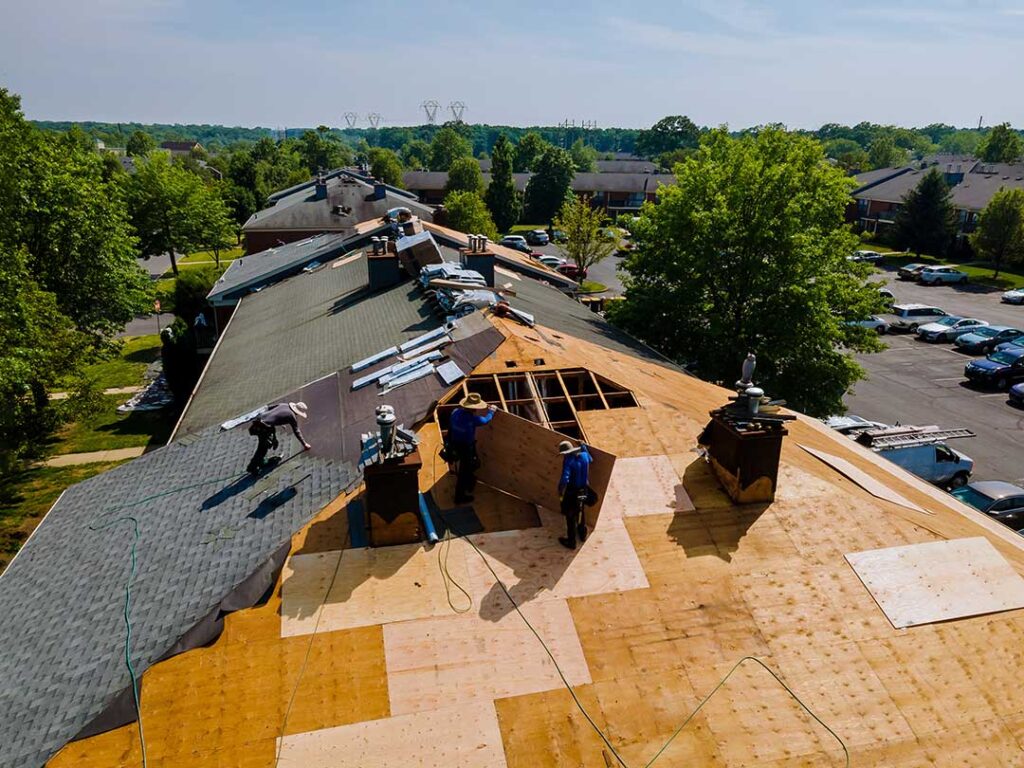
Why Do Malone, NY Residents Need Proper Tools for Roof Maintenance?
Having the right tools is the difference between simple, routine roof upkeep and a challenging, risky project. Households in Malone, NY experience a full range of seasonal extremes—from heavy winter snowfall to summer sun and rain—which causes wear and tear on shingles, flashing, and gutter systems. Using appropriate equipment not only makes maintenance safer but also extends roof life and helps spot small issues before they become major repairs.
Typically, most routine maintenance does not require specialized skills, but using the right tools can make tasks much more efficient, comfortable, and secure.
What Are the Must-Have Tools for Seasonal Roof Care?
Several key items are essential for most roof maintenance tasks. At minimum, residents should consider:
- Sturdy Ladder: A fiberglass or aluminum ladder rated for the user's weight provides safe access to most single-story and ranch-style roofs, which are common in the community. It’s best to use a ladder stabilizer or stand-off to prevent damage to gutters and siding.
- Fall Protection Gear: Even when working on lower-pitched roofs, a harness and roof anchor can make a critical difference in safety—especially after rain or snow, when surfaces stay slick.
- Heavy-Duty Gloves: Thick gloves protect hands from sharp shingle edges, hot metal flashings, and hidden nails.
- Rubber-Soled Shoes or Boots: These provide secure footing on asphalt shingles or metal roofing, especially on dew-covered or frosty mornings common in early spring and late fall.
Which Tools Help Keep Gutters and Drains Clear?
Gutter systems on many local homes get clogged during autumn leaf fall and the spring thaw. Keeping water flowing away from the roof edge can prevent ice dams—a common winter hazard in the region.
Basic gutter cleaning tools include:
- Leaf Scoop or Small Plastic Trowel: Designed to scoop out leaves and debris without damaging gutters.
- Gutter Cleaning Wand: Attaches to a garden hose and helps flush out small blockages from the ground or ladder.
- Bucket with Handle: Helps collect debris for easy disposal instead of dropping it onto landscaping.
- Extension Pole: For homes with multiple stories or tough-to-reach valleys, these allow cleaning without climbing onto the roof.
Some residents overlook the importance of downspout check-ups; using a plumber’s snake or flexible brush can help keep these clear all year.
How Do Basic Inspection Tools Prevent Costly Damage?
Quick checks every season help spot cracked or missing shingles, loose flashing, or moss growth before they develop into leaks. A few simple yet effective tools to have on hand include:
- Binoculars: For ground-level inspections of the ridge line, eaves, and flashing. This can help spot damage without stepping onto the roof.
- Chalk or Grease Pencil: These are useful for marking areas that need closer inspection or fixes during a work session.
- Putty Knife or Pry Bar: For gently lifting shingles to check for hidden damage, but care is necessary not to break brittle materials, especially after Malone’s cold winters.
- Camera or Smartphone: Taking photos during inspections creates a record of roof condition over time, making it easier to notice gradual changes.
What Tools Assist with Minor Shingle and Flashing Repairs?
Winter storms and windy autumns can loosen, curl, or even blow away shingles. Residents who feel comfortable with basic repairs should consider:
- Hammer or Roofing Nailer: Specifically for driving roofing nails, which are galvanized to resist rust in Malone’s humid or snowy conditions.
- Utility Knife with Hook Blades: Essential for cutting roofing materials safely and cleanly.
- Caulking Gun: Used for applying roofing cement or caulk along flashing, vent boots, and other vulnerable joints.
- Measuring Tape: For accurate shingle placement and tracking the length of replaced flashing.
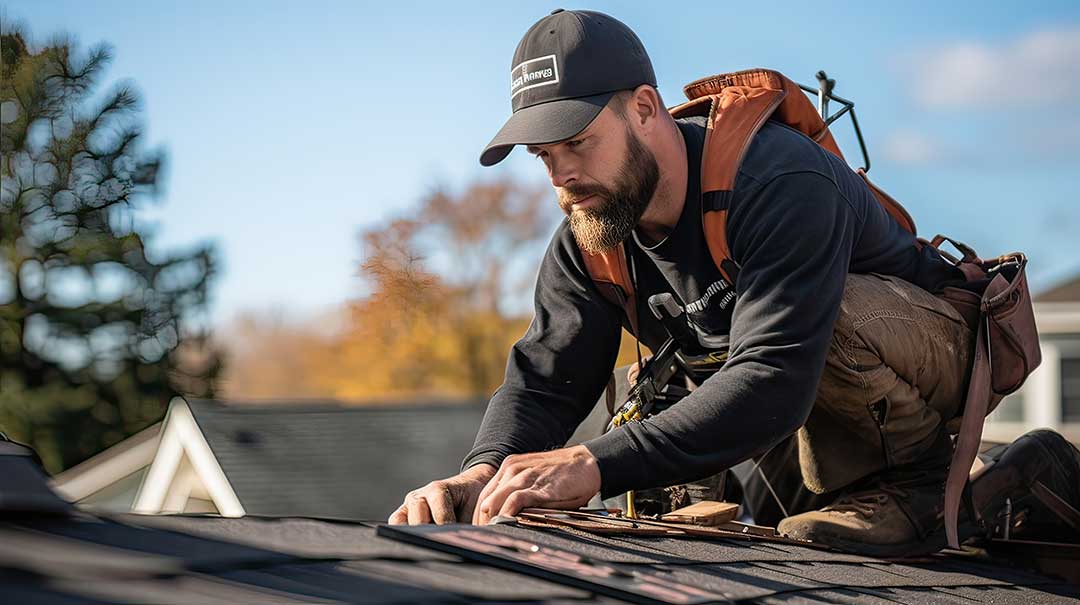
Carrying all these in a lightweight tool belt keeps both hands free for stability when working at a height.
Are Specialized Tools Needed for Metal and Slate Roofs in Malone?
While most area homes have asphalt shingles, some older residences and barns feature metal or slate roofs. These materials require a few specialized tools:
- Slate Ripper and Slate Hammer: For removing or re-securing slate tiles without damaging nearby edges.
- Metal Snips: For trimming panels or flashing on standing-seam metal roofs.
- Magnetic Sweeper: Useful for collecting stray nails or metal debris from gutters and lawns after repair or replacement.
Homeowners new to maintaining these types of roofs should research the techniques involved, as improper tool use can easily crack slate or dent metal surfaces.
What Safety Equipment Should Never Be Skipped?
While sturdy ladders and fall protection were mentioned earlier, additional safety steps are often skipped by do-it-yourselfers in the area:
- Safety Glasses: Protect eyes from wind-blown grit, splinters, and flying debris during cleaning or repair.
- Work Clothing: Long pants and sleeves help prevent scrapes from shingles and contact with rough surfaces, while a lightweight hat can provide sun protection during summer work.
- Rope and Tool Lanyards: Prevent tools from sliding or falling, especially on steeper slopes.
- First Aid Kit: Always keep one within reach for minor scrapes or cuts.
How Do Local Conditions Affect Tool Selection and Use?
The combination of cold winters and warm, humid summers in Malone means residents need to adapt their approach throughout the year. For instance, tools with metal parts should be wiped down and dried after use to avoid rust, and power tools should be kept in dry, insulated locations to avoid battery issues in freezing temperatures.
Many local roofs have steeper pitches compared to those in flatter regions, making secure ladders and harnesses even more essential. In spring, ice melt and moss removers might also be part of the homeowner’s toolkit due to persistent moisture.
What Common Mistakes Do Residents Make When Choosing or Using Tools?
Many people underestimate the importance of even basic safety measures or attempt to improvise with the wrong equipment. Placing ladders on soft ground without stabilizers, skipping harnesses for “quick fixes,” or using garden tools instead of purpose-made cleaning implements can result in accidents or roof damage.
Taking a few moments to assemble the appropriate gear before each maintenance project and checking equipment for wear goes a long way in ensuring safety and success—especially in a climate with challenging seasonal variation like Malone.
