
What Does the Roofing Process Typically Involve for Malone, NY Homes?
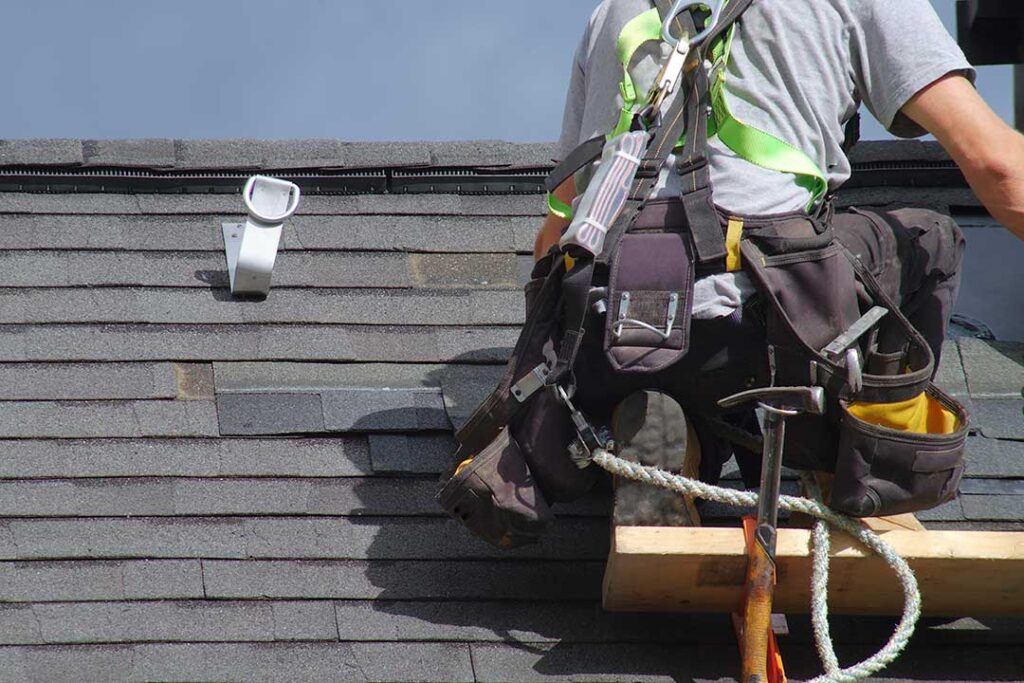
Roof replacement or major roof work on a home in Malone, NY generally unfolds in several key phases: preparation, removal, installation, and cleanup. Each stage has its own steps and timelines, influenced by the region’s climate and the style of local homes. Understanding the flow can help residents set clear expectations and recognize signs of a job well done.
Most area homes—with their pitched roofs and mix of shingle, metal, or older slate materials—require careful attention to both insulation and weather sealing, given the cold winters and occasional wind events. Roofing projects usually take a couple of days for an average house, but weather and underlying damage can extend that timeline.
How Do I Know My Roof Needs Work?
Visible signs and regular local weather patterns mean that knowing when to replace or repair a roof is part of routine home care in Malone, NY. The most obvious indicators include:
- Missing, bent, or cracked shingles
- Exposed underlayment or wood
- Curling shingle edges
- Dark streaks or moss patches
- Persistent damp spots in the attic after a rain or snowmelt
Some residents wait until leaks appear, but in the North Country climate, a small leak can quickly become significant. Inspecting the roof after each winter—especially after heavy snow or ice dam formation—can prevent bigger surprises.
What Happens During Removal and Preparation?
Before installation begins, the existing roof’s surface—typically asphalt shingles or possibly an older metal or slate roof—is removed. This exposes the wood decking, allowing it to be checked for rot or damage. In the Malone area, older homes with original decking may require repair or upgrading, especially if ice dams have caused previous water infiltration.
Surrounding gardens, walkways, and driveways are usually covered to shield them from debris. Temporary barriers and tarps help protect landscaping and keep the workspace tidy and safe, especially important in densely set neighborhoods in the city.
How Is a New Roof Installed in a Northern Climate?
Once the roof surface is cleared and any repairs made to decking or flashing, installation in Malone includes more steps than in milder climates because of snow and freeze cycles:
- Ice and Water Shield: A protective underlayment is installed at eaves and valleys. In far northern climates like this, state codes may require extra layers to prevent ice damming.
- Drip Edge: Metal edging is placed along eaves and rakes to direct water off the roof, reducing damage to siding and foundations after snowmelt.
- Underlayment Installation: Synthetic or felt material is rolled out, bolstering the property’s first line of defense against wind-driven rain or melting snow.
- Shingle or Roofing Material Application: Shingle rows, metal panels, or other roofing are secured according to manufacturer directions and local building codes. Ventilation components and flashing are added where needed, especially around chimneys and ventilation pipes.
What Should Homeowners Watch for During the Project?
Residents can observe several best practices to ensure a quality job:
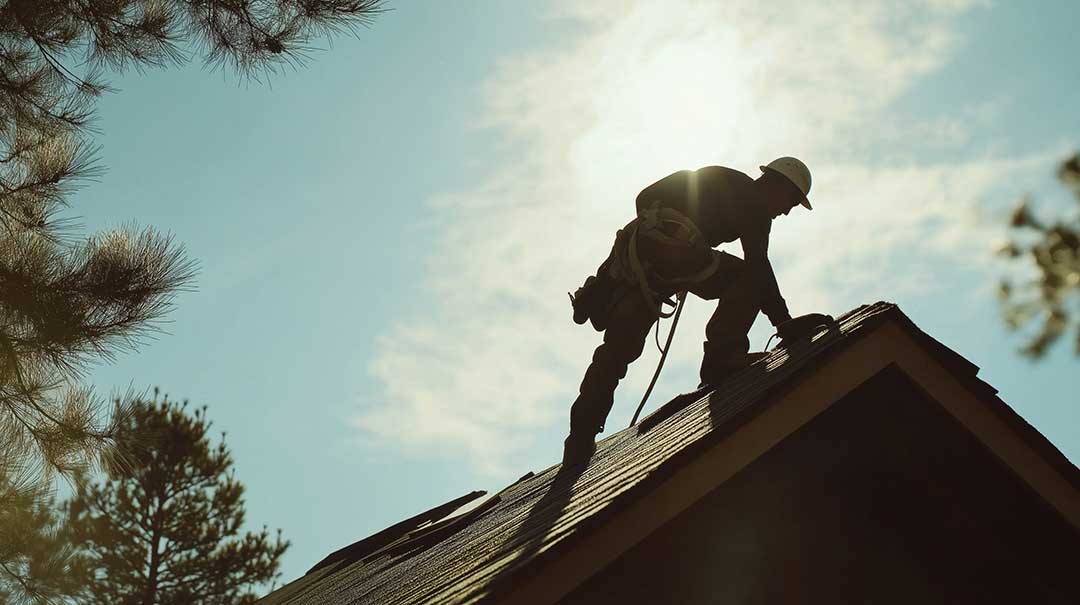
- Look for consistent layering and straight, overlapping shingle lines.
- Confirm that flashing is installed at roof joints, valleys, and around all chimneys or penetrations.
- Spot-check for leftover fasteners, packaging, or debris around the yard.
- Check that attic ventilation is not blocked, as this is crucial for winter ice dam prevention and summer cooling.
It’s common for roofers to use magnetic sweepers to collect nails and clean up before finishing. If snow is expected, ensure supplies are tarped securely to prevent water damage and icy hazards.
Are There Rules or Permits to Consider in Malone, NY?
Roofing work in the city typically requires a permit, with code enforcement involved in significant repairs or full replacements. Local regulations may set minimum standards for insulation, underlayment, and fire rating, as well as for how old roofing systems must be removed versus covered. The permitting process is designed to protect homeowners against shoddy materials and ensure compliance with safety codes.
Some historic districts may have extra requirements on visible materials, colors, or designs. Checking with the town or city building department in advance of any major work avoids unwelcome surprises or delays.
How Does Weather Affect Roofing in This Community?
Malone’s long winters and variable summers pose unique logistics for roofing. Most projects are planned from late spring through early fall, avoiding snowy stretches and extreme cold, as shingles and sealants perform best above certain temperatures. Sudden storms or wind can cause unexpected delays—or, in the case of emergency leak repair, require tarp patching and temporary fixes until conditions improve.
It’s not unusual for start dates to shift to accommodate rainy days or late-season snow, so homeowners should allow for some flexibility. Early detection and advance scheduling, especially after a tough winter, increases the chances of smooth project completion.
What Homeowners Often Overlook
A common misconception is that all roofing work is purely cosmetic or that a simple overlay solves deeper issues. In this region, underlying problems like rotten decking, poor attic ventilation, or missed flashing can spell trouble in a single harsh season. Residents sometimes underestimate the volume of debris—especially old shingles and nails—generated by a full tear-off. Ensuring walkways, gardens, and driveways are protected is just as important as what happens on the roof itself.
It’s also easy to overlook attic air circulation or insulation upgrades during roof work. This can produce longer-lasting results and reduce ice dam or condensation problems common in colder climates, saving stress and expense later.
