
What does a cool roof rating measure?
A cool roof rating describes how effectively a roofing surface reflects sunlight and releases the heat it absorbs. The two primary measurements are solar reflectance and thermal emittance. Together, they help indicate how hot a roof may become during sunny weather. ([energy.gov](https://www.energy.gov/sites/prod/files/guide_to_cool_roofs.pdf?utm_source=openai))
A roof with strong cool-roof performance generally reflects more solar energy and emits absorbed heat more efficiently. This can reduce heat transfer into the attic and living space during summer, although the actual benefit depends on insulation, ventilation, roof design, weather, and the building’s heating and cooling systems.
For homeowners in Malone, NY, these ratings are most relevant during sunny summer periods. The local climate also includes long heating seasons, so a highly reflective roof is not automatically the best choice for every home.
What is solar reflectance?
Solar reflectance is the fraction of incoming sunlight that a roof reflects rather than absorbs. It is measured on a scale from 0 to 1.
- A rating of 0.20 means the surface reflects about 20 percent of incoming solar energy.
- A rating of 0.60 means it reflects about 60 percent.
- A rating of 0.80 means it reflects about 80 percent.
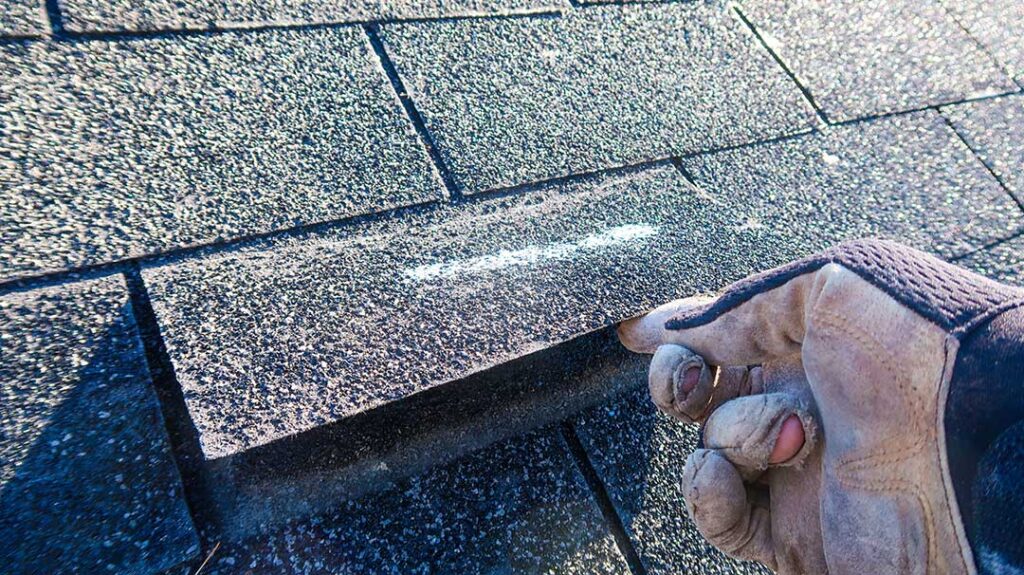
The remaining solar energy is absorbed as heat. Dark roofing materials often have lower solar reflectance, while light-colored or specially formulated “cool-color” materials generally reflect more sunlight. The roof’s reflectance has a major effect on its surface temperature under direct sun. ([energy.gov](https://www.energy.gov/sites/prod/files/2013/10/f3/coolroofguide.pdf?utm_source=openai))
Color alone does not tell the whole story. Some modern roofing products are designed to reflect more invisible infrared energy while still appearing dark or medium-toned. That is why a product rating is more useful than judging a roof only by appearance.
What is thermal emittance?
Thermal emittance measures how efficiently a surface releases absorbed heat as thermal radiation. It is also measured from 0 to 1, with higher values indicating that the surface can shed heat more effectively.
Most nonmetallic roofing surfaces have relatively high thermal emittance. Bare, shiny metal can have lower emittance, meaning it may retain more heat after absorbing sunlight. A metal roof with a reflective, factory-applied finish may perform differently from unpainted or highly polished metal. ([energy.gov](https://www.energy.gov/sites/prod/files/2013/10/f3/coolroofguide.pdf?utm_source=openai))
This explains why two roofs with similar solar reflectance may not reach the same temperature. The roof that emits heat more efficiently may stay cooler, particularly when exposed to strong sunlight.
What is a Solar Reflectance Index, or SRI?
The Solar Reflectance Index, commonly called SRI, combines solar reflectance and thermal emittance into one comparative score. Higher SRI values generally indicate a cooler surface in the sun.
A clean black roof is often used as an approximate reference point near an SRI of 0, while a clean white roof is commonly associated with an SRI near 100. These are comparison references, not guarantees of how every black or white roof will perform. ([www1.eere.energy.gov](https://www1.eere.energy.gov/buildings/publications/pdfs/corporate/coolroofguide.pdf?utm_source=openai))
SRI can be useful when comparing products with different combinations of reflectance and emittance. For example, a roof with moderate reflectance and high emittance may achieve a similar SRI to a roof with high reflectance but lower emittance.
SRI should not be treated as a complete prediction of household energy savings. It describes the roof surface, not the entire building envelope.
Where can homeowners find a roof rating?
Roofing products may be listed through the Cool Roof Rating Council, which reports solar reflectance, thermal emittance, and, where applicable, SRI. Ratings are based on product testing and are intended to provide comparable information for roofing materials. ([coolroofs.org](https://coolroofs.org/programs/roof-rating-program?utm_source=openai))
A product label or technical data sheet may show:
- Initial solar reflectance
- Aged solar reflectance
- Thermal emittance
- SRI
- The product type and roofing assembly information
The distinction between initial and aged performance matters. Dirt, weathering, biological growth, and surface wear can change how much sunlight a roof reflects over time. A roof that performs well when new may have a different rating after several years.
Does a cool roof save energy in Malone?
It can, but the result varies widely from one house to another. Cool roofs reduce solar heat gain, which may lower air-conditioning demand and improve comfort in upper-floor rooms during hot weather. The U.S. Environmental Protection Agency reports that cool roofs can reduce roof, indoor, and surrounding air temperatures, while the Department of Energy notes that energy results depend on climate, insulation, roof type, and mechanical systems. ([epa.gov](https://www.epa.gov/heatislands/using-cool-roofs-reduce-heat-islands?trk=article-ssr-frontend-pulse_little-text-block&utm_source=openai))
Homes with limited attic insulation may receive less benefit than expected because heat can still move through the rest of the roof assembly. Similarly, a home with excellent insulation, shade from trees, or modest summer cooling use may see only a small change in energy consumption.
For this reason, a roof rating should be viewed as one part of a larger energy picture. Air sealing, insulation depth, attic ventilation, window exposure, and cooling-system efficiency may have equal or greater influence on indoor comfort.
Is a cool roof useful during a cold northern winter?
A highly reflective roof can reduce beneficial solar heat gain during the heating season. This is sometimes called a winter heating penalty. In a colder climate, the energy used for heating may offset part of the summer cooling benefit, particularly in a home that has little air-conditioning demand. ([epa.gov](https://www.epa.gov/heatislands/using-cool-roofs-reduce-heat-islands?trk=article-ssr-frontend-pulse_little-text-block&utm_source=openai))
Snow cover also changes the calculation. A roof covered by snow is already reflecting much of the incoming sunlight, so the roof’s underlying color may have little effect until the snow melts.
That does not mean cool-roof ratings are irrelevant in Malone. They can still help compare products, especially for roofs over finished attic spaces, homes with substantial summer heat gain, or buildings that use air conditioning regularly. The rating simply should not be interpreted as a guaranteed year-round energy saving.
Do cool roof ratings indicate durability?
No. A cool roof rating measures surface radiative properties, not the entire service life of the roofing system.
A rating does not by itself confirm:
- Resistance to wind or impact
- Performance under repeated freeze-thaw cycles
- Proper flashing design
- Ice-dam resistance
- Underlayment quality
- Installation workmanship
- Compatibility with the roof’s slope and drainage
Those factors are particularly relevant in a northern climate with snow, ice, spring moisture, and large temperature changes. A roof can have excellent reflectance and emittance values but still be unsuitable if its design, materials, or installation do not match the building.
What should homeowners compare?
A practical comparison starts with the complete product data, not just the color sample.
Look for:
- Solar reflectance, including aged reflectance when available
- Thermal emittance
- SRI, if provided
- Roof slope and product limitations
- Expected performance after weathering
- Compatibility with the existing roof assembly
- Snow, ice, drainage, and ventilation considerations
It is also useful to separate two questions: Will the roof remain durable in local weather? and How much heat will its surface absorb? Cool roof ratings help answer the second question. They do not replace a full evaluation of the first.
For many households, the most sensible use of these ratings is as a comparison tool during reroofing or roof replacement. The numbers can reveal meaningful differences between products that look similar, while the final decision still depends on the building, the roof design, and the demands of the local seasons.
