
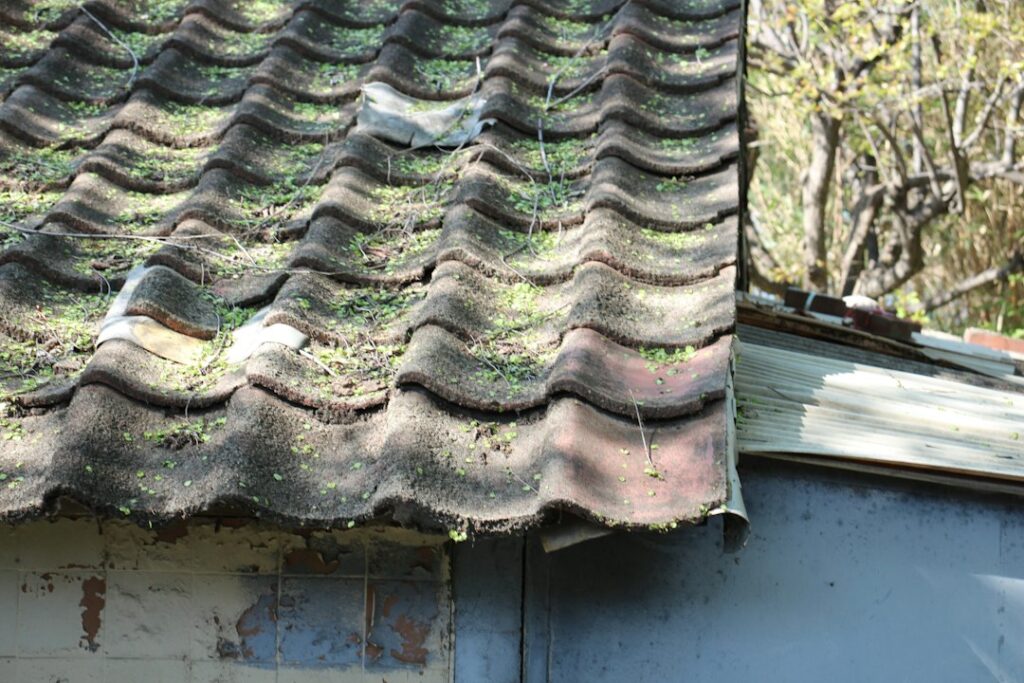
A roof emergency usually means water is entering the home, roofing materials have been torn away, or part of the roof may be unstable. The first priority is not a permanent repair. It is protecting people, limiting interior damage, and avoiding actions that create additional hazards.
What counts as an emergency roof problem?
A roof problem deserves prompt attention when it threatens the safety of occupants or allows continuing water intrusion. Common examples include:
- A tree limb or large branch striking the roof
- Wind removing shingles, flashing, ridge caps, or sections of roofing
- Water dripping through ceilings or running down walls
- A ceiling that is bulging, stained, or sagging
- Ice or snow blocking drainage and causing water to back up
- A damaged chimney, vent, skylight, or roof edge
- Visible roof movement, structural sagging, or widespread material failure
- Roofing debris falling near entrances, walkways, vehicles, or utility lines
A few missing shingles may not require the same response as a hole in the roof, but wind-driven rain and freeze-thaw conditions can quickly turn a small opening into a larger moisture problem.
What should happen during the first few minutes?
Start inside the house, not on the roof. Move people away from active leaks, sagging ceilings, wet electrical fixtures, and areas where debris may fall.
If water is near light fixtures, outlets, appliances, or wiring, avoid touching the affected equipment. Shut off power to the area only if the electrical panel can be reached safely from a dry location. If there is any doubt, leave the area and treat the situation as an electrical hazard.
Place containers under minor leaks and move furniture, electronics, rugs, and other belongings away from the affected area. Do not stand beneath a visibly swollen ceiling. A ceiling that is holding water can fail without much warning.
If the building appears unstable, a major section has collapsed, or downed electrical lines are present, leave the structure and keep others away. Emergency services may be necessary when there is an immediate threat to life or fire.
Is it safe to climb onto the roof?
Usually, no. Wet roofing, ice, snow, steep slopes, loose materials, and poor visibility create serious fall hazards. Conditions are especially unpredictable during winter storms and after strong winds, when hidden damage may affect the roof deck or supporting structure.
Avoid climbing onto the roof during rain, high wind, lightning, darkness, or icy conditions. Do not use a ladder near overhead electrical lines. A ladder placed on snow, ice, or uneven ground can slide even when it appears stable.
Roof inspection from the ground is safer. Look for missing materials, exposed underlayment, hanging gutters, displaced metal, broken branches, and water entering around roof penetrations. Photos taken from the ground can help document the damage without adding risk.
How can a roof be protected temporarily?
Temporary protection should be limited to measures that can be performed safely from the ground or from a secure interior location. A tarp may reduce water entry when it can be installed without climbing into dangerous conditions, but a loose tarp can become airborne and damage property or injure someone.
Never use ordinary plastic sheeting as a substitute for a properly secured covering in high wind. Do not nail through an area containing electrical wiring, plumbing, or an uncertain roof surface. Avoid walking on wet ceilings, attic insulation, or damaged roof decking.
If the leak is small and the ceiling is sound, a container and absorbent towels may control interior water temporarily. Check the container frequently so it does not overflow. A ceiling with a large bulge should not be punctured casually; releasing water may reduce pressure in one spot but can also spread damage or expose electrical components.
After the weather improves, temporary coverings should be checked for trapped moisture, loose edges, and additional damage. They are short-term protection, not a permanent repair.
What should residents do about snow and ice?
Snow and ice require special caution in the local winter climate. Heavy snow can add weight to a roof, while ice buildup near eaves can interfere with drainage and contribute to water backing up beneath roof materials.
Do not climb onto a snowy roof or chip ice with an axe, shovel, or other heavy tool. Removing snow unevenly can place stress on the roof and may damage shingles, flashing, gutters, or attic ventilation. Snow sliding from a roof can also injure people or damage vehicles and property below.
Keep children, pets, and visitors away from areas where snow or ice may fall. If doors, windows, or attic areas show signs of pressure, cracking, unusual sounds, or structural movement, leave the affected area and seek urgent assistance.
How should water damage be managed inside?

Stopping the source is only the first step. Wet materials should be separated from dry materials when possible, and standing water should be removed promptly if doing so is safe.
Record the date, time, weather conditions, visible damage, affected rooms, and damaged belongings. Take photographs and video from safe locations before major cleanup begins. Keep receipts for temporary protective materials, water removal, and damaged-item disposal.
Ventilation can help dry minor moisture if outdoor conditions are suitable. Fans should not be used around standing water or wet electrical equipment. Porous materials such as insulation, ceiling tile, and heavily saturated drywall may need careful evaluation because hidden moisture can lead to mold growth and deterioration.
Do not conceal a water stain with paint before the area is dry. A stain may be the visible sign of moisture in the roof deck, insulation, wall cavity, or ceiling framing.
Does emergency work require a permit?
Permit requirements depend on the type and extent of work. Temporary measures taken to prevent additional damage may be treated differently from structural repairs, reroofing, replacement of roof coverings, or alterations to framing.
New York State building requirements include provisions for emergency repairs where waiting for a permit could cause serious injury or irreparable property damage, but that does not mean every roof repair is exempt. Some emergency provisions require a permit application within a specified period after work begins.
Before permanent work starts, verify requirements with the applicable code-enforcement authority. Keep records of any emergency stabilization and ask whether inspections or documentation are required. This is particularly relevant when a roof has suffered structural damage, when multiple layers of roofing are involved, or when a damaged chimney, dormer, or addition is part of the repair.
What common mistakes make roof emergencies worse?
Several rushed responses create more damage than the original leak:
- Climbing onto an icy or wind-damaged roof
- Placing a ladder on snow, ice, or unstable ground
- Ignoring water near electrical systems
- Using nails or screws without knowing what is beneath the roof surface
- Removing large amounts of snow from only one side of the roof
- Sealing a wet area before it has dried
- Discarding damaged materials before documenting them
- Assuming a small ceiling stain means the roof is no longer leaking
- Allowing children, pets, or neighbors near falling debris
The safest approach is to stabilize the interior, restrict access to hazardous areas, document what happened, and postpone risky exterior work until conditions are suitable. For households in Malone, preparation is especially useful before periods of heavy snow, freezing rain, rapid thawing, and strong wind.
