
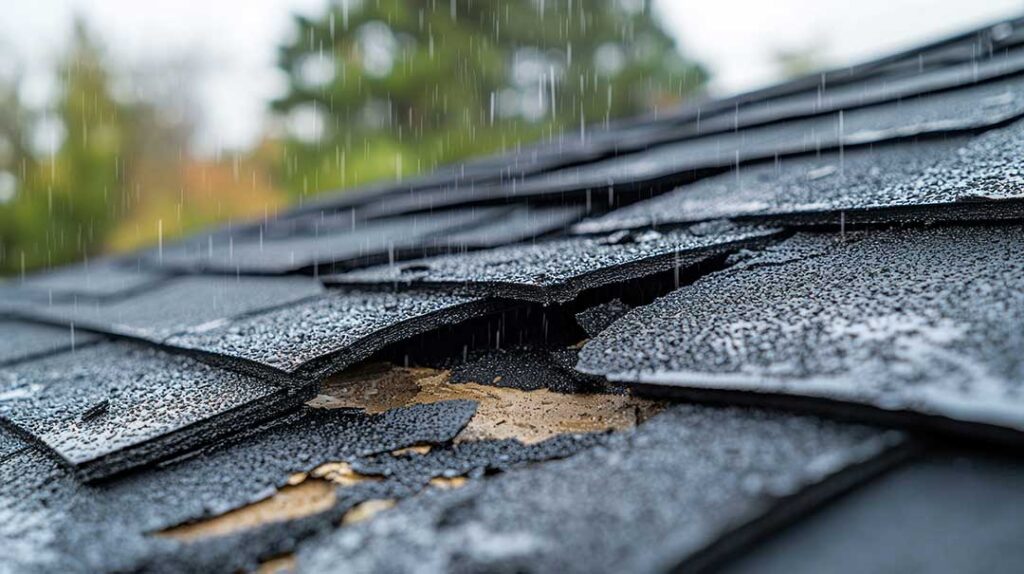
Is It Ever Safe for Residents to Tackle Roof Work Themselves?
Sometimes, yes—small roof maintenance or repairs can be safely done by homeowners in Malone, NY, under the right conditions. However, not every roof issue is a good candidate for do-it-yourself solutions. Risk depends on the type of work, the condition and design of your roof, and local climate factors, along with your experience and physical comfort with heights.
What Types of Roof Tasks Might Be DIY-Friendly in Malone, NY?
For most area households, very basic maintenance may be reasonable if you’re cautious, properly equipped, and physically able. Examples include:
- Cleaning out easily accessible gutters from a sturdy ladder
- Replacing a few loosened or missing shingles on a single-story home with a low-pitch roof
- Removing small branches or light debris after a storm, provided the roof surface is dry
- Checking for visible signs of leaks or damage after a winter thaw
These tasks carry lower risk if done with care and with minimal time spent on the roof itself. Many residents find single-story homes with gently sloped roofs easier and less dangerous to access than multi-story or steeply pitched roofs typically found in some parts of the city.
Which Conditions Make DIY Roof Work Safer—or Riskier?
Before any roof work, evaluate key factors to decide if you should proceed on your own:
Safer Conditions
- The weather is dry, with little or no wind
- The roof surface is not icy, snowy, or wet—this is especially relevant given Malone’s long winters and frequent freeze-thaw cycles
- You have secure footing and a well-maintained ladder
- Your roof is in good structural condition without soft spots, rot, or visible sagging
Risky Scenarios
- Surfaces are slick due to rain, frost, moss, or algae
- The roof is steeply pitched or unusually high, which is common for older area homes
- There is visible damage from ice dams or heavy snow loads (these conditions can weaken roof decking)
- Residential electrical service wires are close to the work area
- Any work must be done close to the roof’s edge, dormers, or chimneys
If local weather has been especially damp or icy, even a usually straightforward job can become hazardous.
How Do Local Seasons Affect DIY Roof Work?
Seasonal extremes dramatically impact safety. In Malone, snow and ice linger into late spring, making roof surfaces hazardous much of the year.
- In late winter or early spring, be wary of black ice or runoff refreezing overnight on shaded roof sections.
- During fall leaf drop, slick wet leaves can present hidden dangers, especially on older asphalt shingles.
- In summer, moss and algae can thrive, creating slippery patches even when conditions look dry.
It’s best to schedule even minor maintenance during periods of reliably dry, moderate weather, typically late spring or early fall in this part of the state.
Are There Local Regulations or Codes Residents Should Consider?
Generally, routine maintenance like replacing the occasional shingle or cleaning gutters does not require a permit. However, significant roof replacements or structural repairs almost always trigger local permitting requirements.
Residents should be aware that the state and local building codes may apply if work:
- Involves replacing large sections of roof decking
- Changes the structure or ventilation
- Requires access near electrical service connections
- Might interact with historical or multi-family properties
Checking with the city’s building department is a good precaution when in doubt about what counts as “maintenance” versus a regulated repair.
What Are Common DIY Roofing Mistakes in the Malone Area?
Residents sometimes underestimate the risks posed by local weather, especially ice and sudden summer storms. Other frequent oversights include:
- Using the wrong type of shingles for the pitch or age of the roof
- Failing to spot hidden moisture damage caused by ice dams
- Improperly sealing joints or flashing, leading to leaks in subsequent freeze-thaw cycles
- Not using fall protection, especially on older or more complex roofs
Assume that any task involving roof penetrations, chimney flashing, or more than a few replacement shingles may be more technical—and dangerous—than it appears.
What Tools and Safety Equipment Should Be Used for Simple Roof Maintenance?
If you decide DIY is appropriate for a task, always have:
- A stable, non-conductive ladder tall enough to reach the roof without standing on the top step
- Non-slip shoes designed for roof use
- Work gloves and eye protection
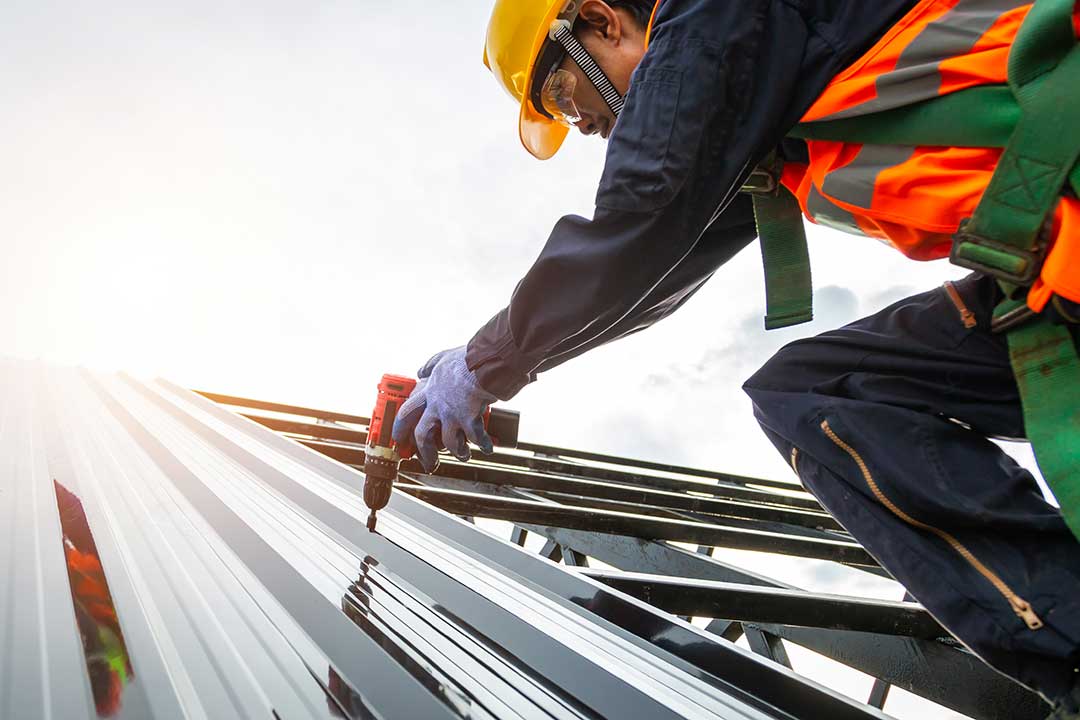
- A safety harness with secure roof anchor points (recommended for any work beyond basic gutter maintenance)
- A spotter to hold the ladder and assist in emergencies
Never do roof work alone, even for minor jobs. This is especially important in less densely populated or rural stretches of Malone, where neighbors may not be immediately nearby.
When Should Residents Avoid DIY Roof Work Entirely?
There are clear red flags where do-it-yourself attempts are either unsafe or not legally permitted:
- Any signs of interior leaks, mold, or sagging that suggest serious structural issues
- Electrical hazards or work close to power lines
- Structural damage from storms, fire, or fallen trees
- Working above the first story, or on roofs with pitches steeper than 6:12 (commonly seen in older homes in the area)
- If you feel unsteady, anxious, or unsure on a ladder
For these situations, area residents are best off seeking out advice or inspection from sources with specific training or resources to manage significant hazards.
