

Which Roofing Materials Stand Up Best Over Time in Malone, NY?
Homeowners in Malone, NY face a unique blend of weather challenges, from heavy snow and ice in winter to summer rain and occasional windstorms. Durable roofing is not just a matter of saving on replacement costs—it also means better protection against leaks, structural damage, and energy loss. The most lasting roofs in the area are typically made from metal, slate, or certain advanced composites. Each of these has a proven record under Malone’s local climate.
How Does Metal Roofing Perform in the North Country?
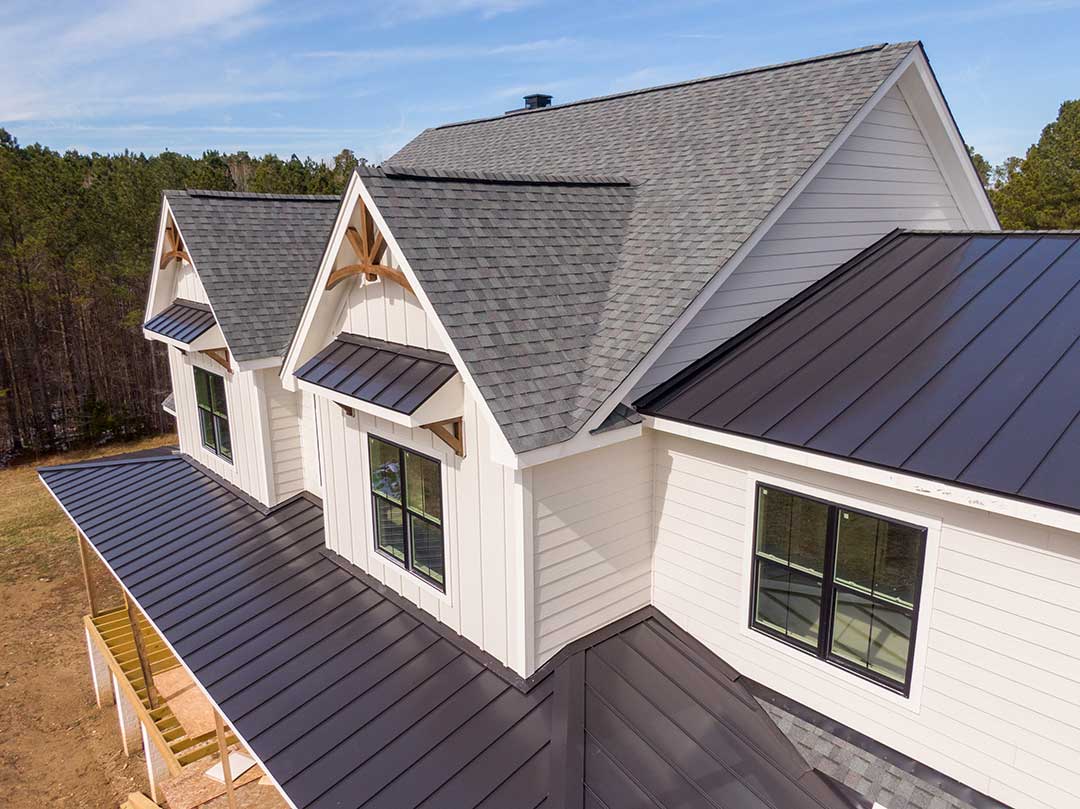
Metal roofs, especially standing seam styles, are a popular choice where winter is long and snow loads are high.
- Why metal lasts: Galvanized steel, aluminum, and copper resist rot, insects, and fire. Properly installed metal roofs can shed snow quickly, minimizing ice dams and weight buildup, which is especially useful in Malone’s snowy months.
- Longevity: Expect 40 to 70 years, depending on care and metal type.
- Points to weigh: Metal can be noisy during rain unless installed over a solid deck. Some homeowners worry about denting from hail, but modern products are engineered for impact resistance.
- Misconception: Not all metal rusts. Most modern panels have protective coatings that resist corrosion even in wet climates.
Is Slate Roofing a Practical Option Here?
For those looking for maximum lifespan, slate is unmatched.
- Why slate excels: This stone material is essentially impervious to fire, water, and insects. It easily handles freeze-thaw cycles, making it well-suited for the temperature swings witnessed in Malone.
- Lifespan: 75 to 150 years, and sometimes much longer.
- Considerations: Not every home is engineered to carry slate’s weight, which can be several times heavier than asphalt shingles. Installation requires highly skilled labor and is among the pricier choices.
What About Architectural Asphalt Shingles?
While not as long-lasting as metal or slate, some high-end, architectural-grade asphalt shingles can deliver good durability for the area.
- Why they’re used: Laminated or “architectural” shingles have multiple layers and often come with wind-resistance ratings suitable for the gusty conditions that sometimes affect Malone.
- Longevity: Usually 25 to 40 years for the best products, less for standard grades.
- Biggest enemy: Poor attic ventilation, which can cause premature failure, especially after cold, snowy winters.
Are Modern Synthetic Materials Worth Considering?
Some newer roofing materials are designed to mimic classic looks but boost longevity and resilience.
- Types: Polymer shingles and rubber slate alternatives.
- Durability: Many synthetic products offer 40 to 50 years of life or more, with impact and UV-fade resistance built in.
- Local interest: These can be a smart solution for homeowners who love the look of slate or wood but want less weight or maintenance.
How Do Local Weather Patterns Influence Roofing Longevity?
The freeze-thaw cycles, frequent snowfalls, and occasional windstorms all play a role in how well a roof holds up in Malone.
- Snow and Ice: Roof slopes that shed snow efficiently and materials like metal that resist ice dams reduce long-term stress.
- Wind: Materials with secure interlocking systems—such as standing seam metal—resist gust damage.
- Moisture resistance: Roofing that sheds water quickly (metal, slate, quality asphalt, and synthetics) preserves attic health and extends structural life.
What Are the Most Overlooked Factors in Roofing Durability?
Durability isn’t determined by material alone; installation quality and attic ventilation are just as important.
- No roofing material will last as intended with poor installation. Always check local building codes and ensure good flashing and underlayment selection.
- Regular inspections, especially after major storms or heavy winters, allow small issues to be caught early.
- Proper attic ventilation prevents damaging ice dams and premature wear—clogged soffit vents and insulation gaps are common local culprits behind roof failure.
Practical Tips for Area Households
- Choose a roofing material that matches both your home’s structure and your willingness to perform maintenance.
- If your roofline has plenty of valleys, dormers, or penetrations (like chimneys or skylights), it’s especially important to choose a durable, well-sealed system to avoid leaks.
- Consider the long-term value: A longer-lasting roof may cost more upfront but limits disruption, water damage risk, and total replacement needs.
